



The gap between a busy restaurant kitchen and a small factory is narrower than it might appear.
Both must balance changing demand, limited resources, tight margins and a constant stream of decisions. Produce too much and materials are wasted. Produce too little and orders are missed. Act too late and the cost has already been incurred.
Orderly has spent years helping quick-service restaurants solve this problem. Our Digital Store Assistant combines information from existing systems with live operational data, including camera feeds, to predict what will be needed next. It then turns that prediction into a clear action for the team.
In restaurant settings, sites using the technology have achieved average food waste reductions of 21%. We now want to find out how the same underlying approach could work on the factory floor.
Orderly has secured funding through Innovate UK’s Made Smarter Innovation SME resource and energy efficiency feasibility-studies programme.
The six-month project will explore whether Orderly’s technology can be adapted into an affordable, easy-to-use and scalable product for SME manufacturers.
The enterprise AI gap
Advanced operational AI is already changing how large businesses work. But adopting it often requires major investment, specialist data teams and lengthy integration projects.
That puts it beyond the practical reach of many smaller manufacturers.
These businesses do not necessarily lack useful data. It may already exist across stock systems, production software, sensors, cameras and spreadsheets. The problem is that the information is fragmented. Connecting it, interpreting it and turning it into timely action can be difficult and expensive.
Orderly’s technology was originally built for enterprise customers and complex, multi-site deployments. This project will examine how to retain the intelligence and adaptability of that platform while making it practical for an SME to set up and use.
AI that learns how each factory works
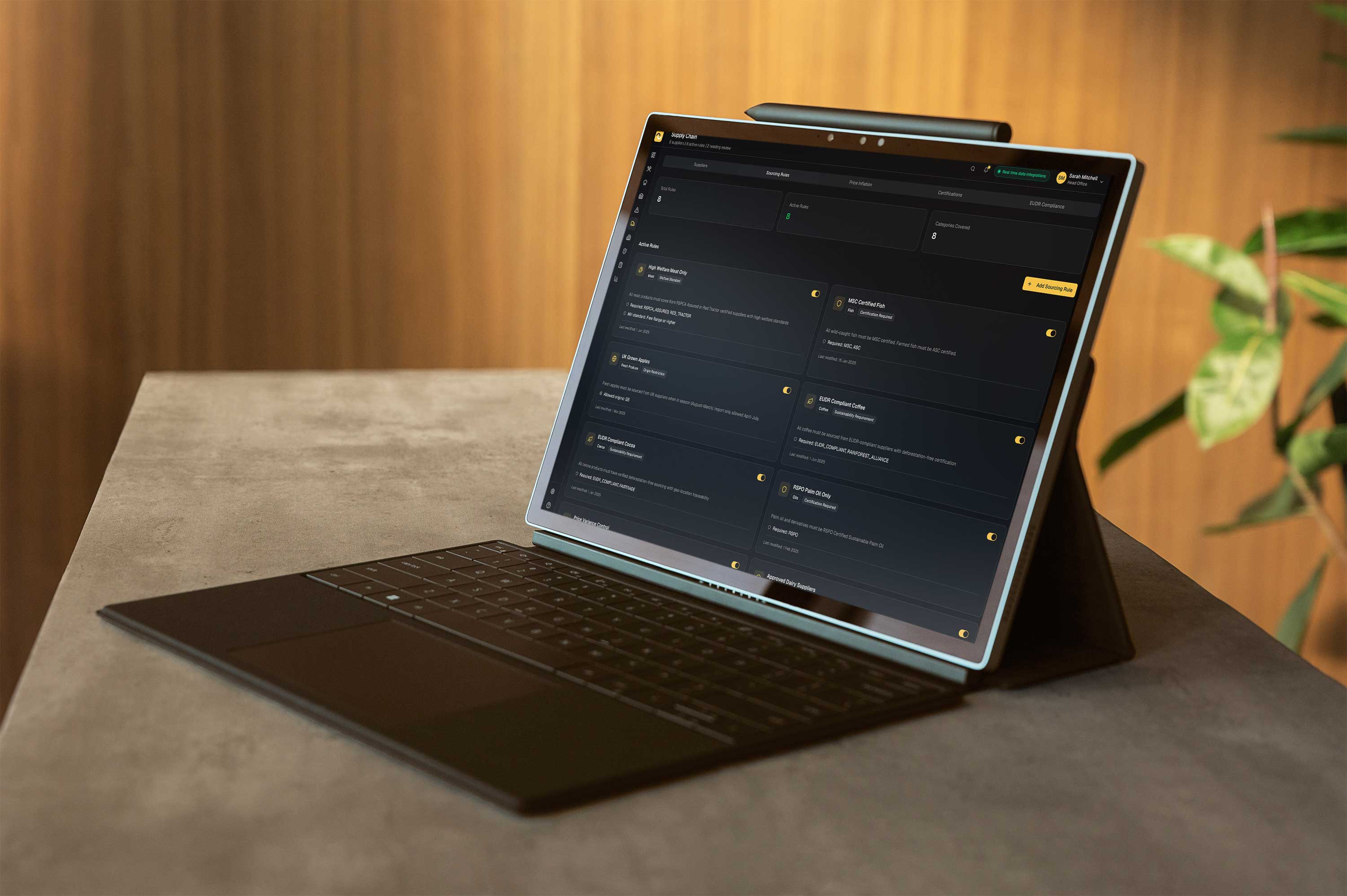
At the centre of the study is a new self-service setup system.
Rather than relying on a large technical team to configure every site, manufacturers would be guided through connecting their data, describing their processes and defining the outcomes that matter to them.
Those outcomes could include reducing raw-material waste, improving stock decisions, identifying production inefficiencies or making better use of labour and equipment.
This is not about applying one generic model to every factory. Smaller manufacturers are highly varied, even when they operate in the same sector. Their equipment, workflows, constraints and measures of success can be completely different.
The aim is to create technology that can learn those differences.
A manufacturer should not have to reorganise its entire operation around an AI platform. The platform should adapt to the operation, work with the systems already in place and make the next decision easier.
From forecasting to action
Many digital tools are good at producing more information. Fewer are good at deciding what deserves attention now.
That distinction has shaped Orderly’s work in restaurants. A forecast is only useful when it reaches the right person in time to change an outcome.
The same principle applies in manufacturing. The goal is not another dashboard for teams to monitor. It is a system that can detect what is changing, understand its likely operational impact and recommend a clear next action.
Peter Evans, CEO of Orderly, said:
“SMEs do not need a watered-down enterprise product. They need technology designed around the systems, people and constraints they already have.
“Our goal is to remove the cost and complexity that put advanced operational AI beyond the reach of many smaller manufacturers. The technology should do the heavy lifting, then give the person on the factory floor one clear and useful next action.”
Testing the idea in real factories
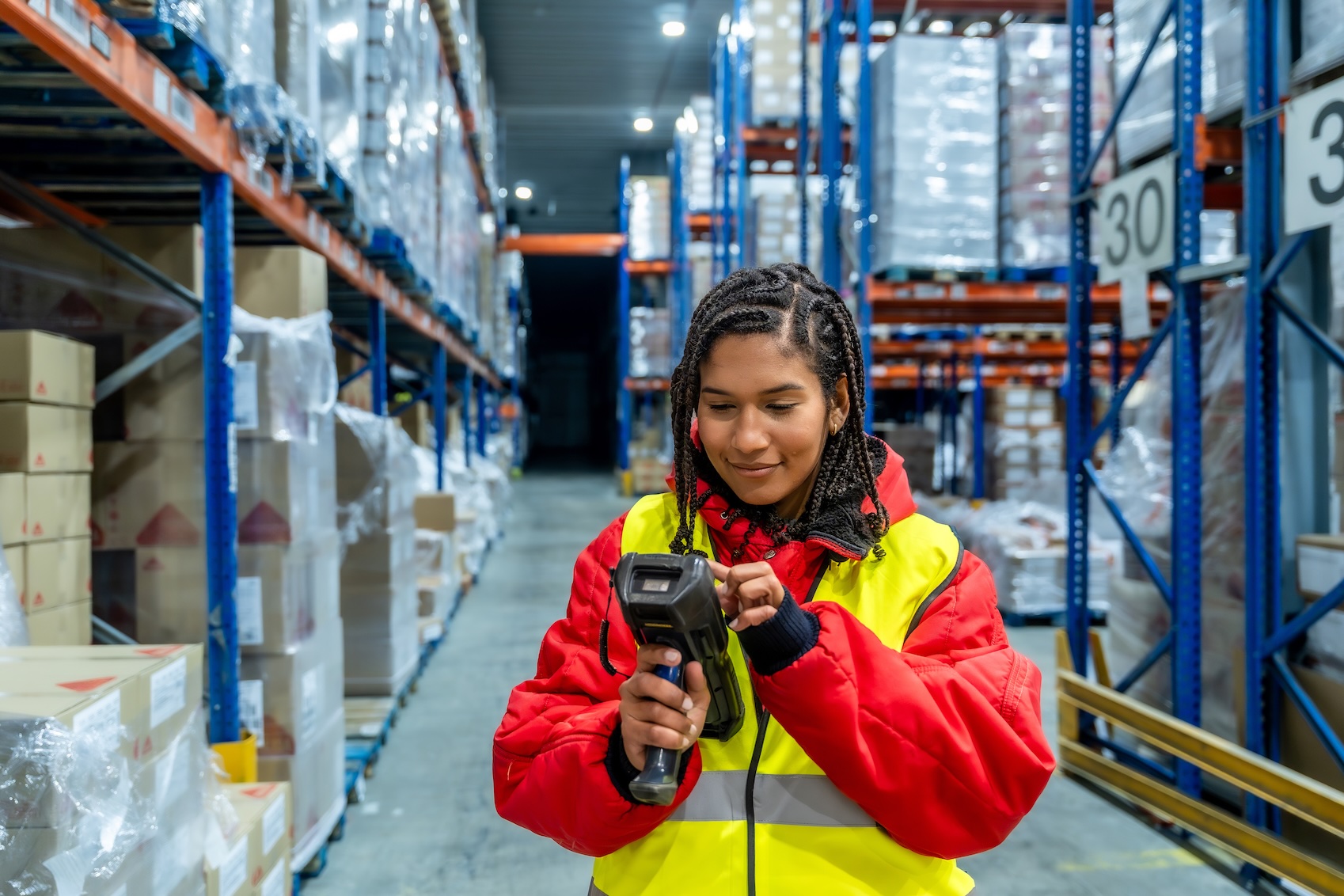
The feasibility study will involve trials with two East Midlands manufacturing businesses operating in different sectors.
One trial will focus on stock and ordering within prepared-food manufacturing. It will explore whether stock levels and usage can be tracked in real time to improve ordering decisions and reduce raw-material waste.
A second manufacturing environment will test the technology with different objects, data and processes. This will help establish whether the self-service approach can transfer beyond food production into wider SME manufacturing.
These are deliberately different settings. Success means more than making the technology work once. It means understanding whether it can adapt to the way different manufacturers operate.
The study will produce a proof of concept, evidence from factory trials and a roadmap for further development. It will also examine the technical, operational and financial requirements needed to turn the concept into an adoption-ready product.
A familiar problem
A restaurant preparing food against volatile demand and a manufacturer managing materials and production share a common challenge. Both need to understand what is happening now, anticipate what will happen next and act before waste occurs.
The study will test where those similarities hold, where manufacturing wider than just food requires a different approach and what must be built before the technology can be deployed more widely.
It is an early step, and an important one.
If successful, the project could give smaller manufacturers access to operational intelligence that was previously viable mainly for large enterprises. It could help them reduce waste, raise productivity and protect margins without replacing every system they already use.
From restaurant preparation to factory production, the principle remains simple: see what is coming, make the next decision sooner and stop waste before it happens.


.svg)



.svg)

.svg)
.svg)