


1. Value Is King Amid Economic Pressures
Even as the economy stabilises, consumers in 2026 remain highly value-conscious. In the UK, food inflation is projected around 5% for fast-food – nearly double the general inflation rate – squeezing both household budgets and restaurant margins. Quick-service restaurants (QSRs) are responding by doubling down on value deals and promotions to keep diners coming back. Many brands are adopting a “barbell” menu strategy: enticing price-sensitive guests with budget-friendly items while also offering premium options to bolster margins. Mid-priced offerings, by contrast, risk getting squeezed as diners either hunt for bargains or justify splurges only on truly satisfying upgrades.
This value-driven mindset extends to convenience retail as well. Shoppers are visiting local convenience stores more frequently for small “top-up” trips instead of big weekly hauls, seeking affordable meal solutions and snacks as needed. Industry data shows planned top-up missions have increased, driving modest growth in the UK convenience channel. With pressure on disposable incomes expected to persist in coming years , both restaurants and retailers are focusing on clear value propositions. Loyalty apps offering exclusive discounts have become standard, though experts question how effectively these truly build long-term loyalty versus just train customers to chase the next coupon. Going into 2026, the consensus is that brands must demonstrate real quality-for-value to earn repeat business, not just drop prices. As one industry executive put it, today’s consumers “are looking for maximum satisfaction for their pound” – making each dining decision carefully Limited-time offers and faster menu innovation cycles are emerging as tactics to excite jaded customers, but only those that clearly deliver on value and flavor are likely to succeed.
2. Tech and AI Take Center Stage in Operations
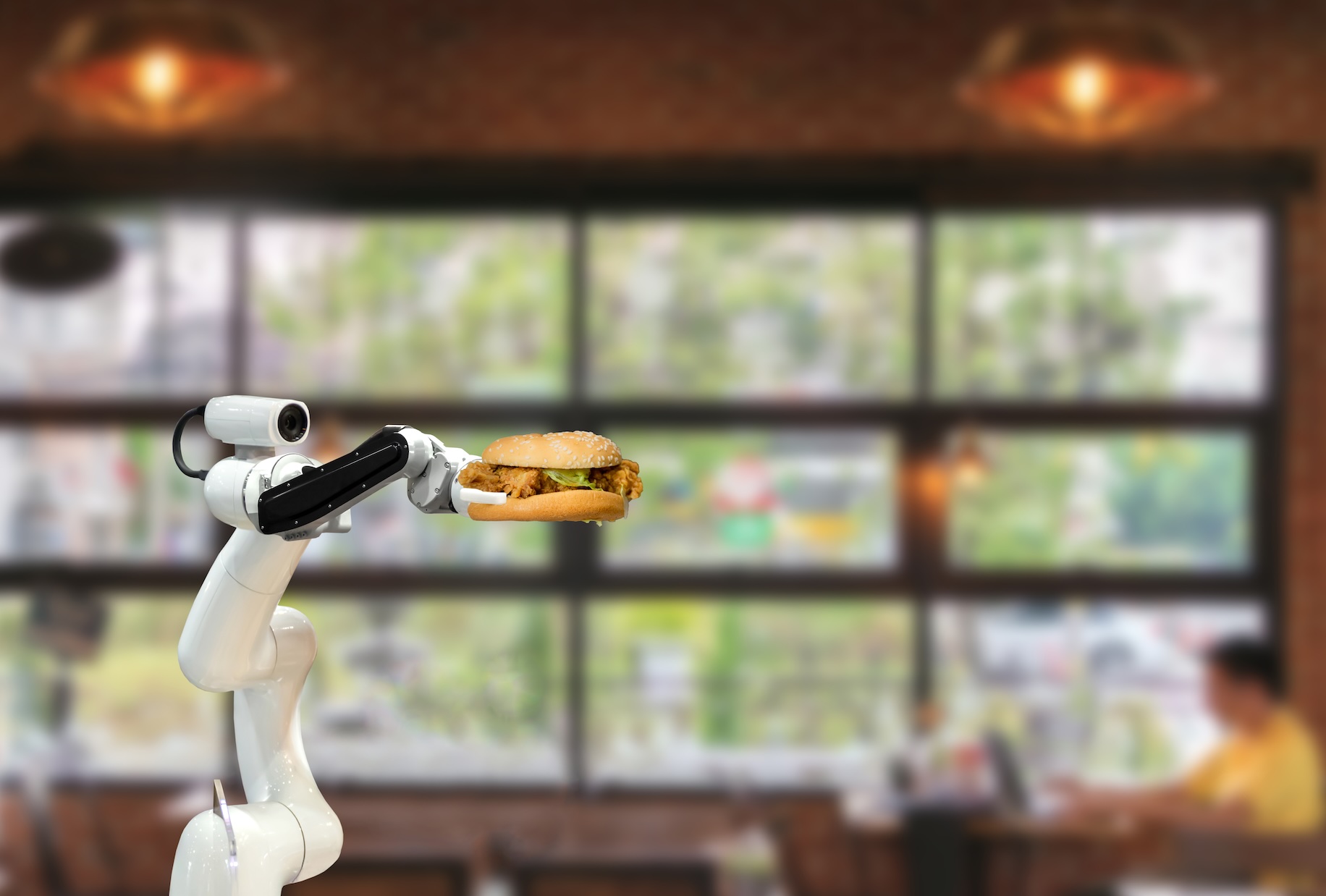
From the kitchen to the stockroom, digital transformation is accelerating across the food industry. Nearly half of food companies plan to invest in AI and digital supply tracking systems going into 2025 , a trend that continues into 2026 as artificial intelligence moves from buzzword to business imperative. The goals are clear: boost efficiency, cut costs, and improve decision-making by harnessing data. In restaurants, this means more automation of routine tasks and smarter use of data for forecasting and scheduling. Labor shortages and rising wages have hastened adoption of technologies like self-service ordering kiosks, kitchen robotics, and AI-driven analytics – all aimed at doing more with leaner teams. Many QSRs now use AI-powered drive-thru assistants that take orders faster and more consistently than human staff. In fact, by mid-2025 about 15% of QSR customers had already experienced an AI-driven drive-thru, with two-thirds of them rating the experience as good as or better than a human order-taker. Major chains such as Wendy’s and White Castle are expanding these voice-AI systems to hundreds of locations, seeking to ease staffing pressures and speed up service times. Early results show improved order accuracy and throughput, though companies are carefully monitoring customer acceptance of this still-new tech.
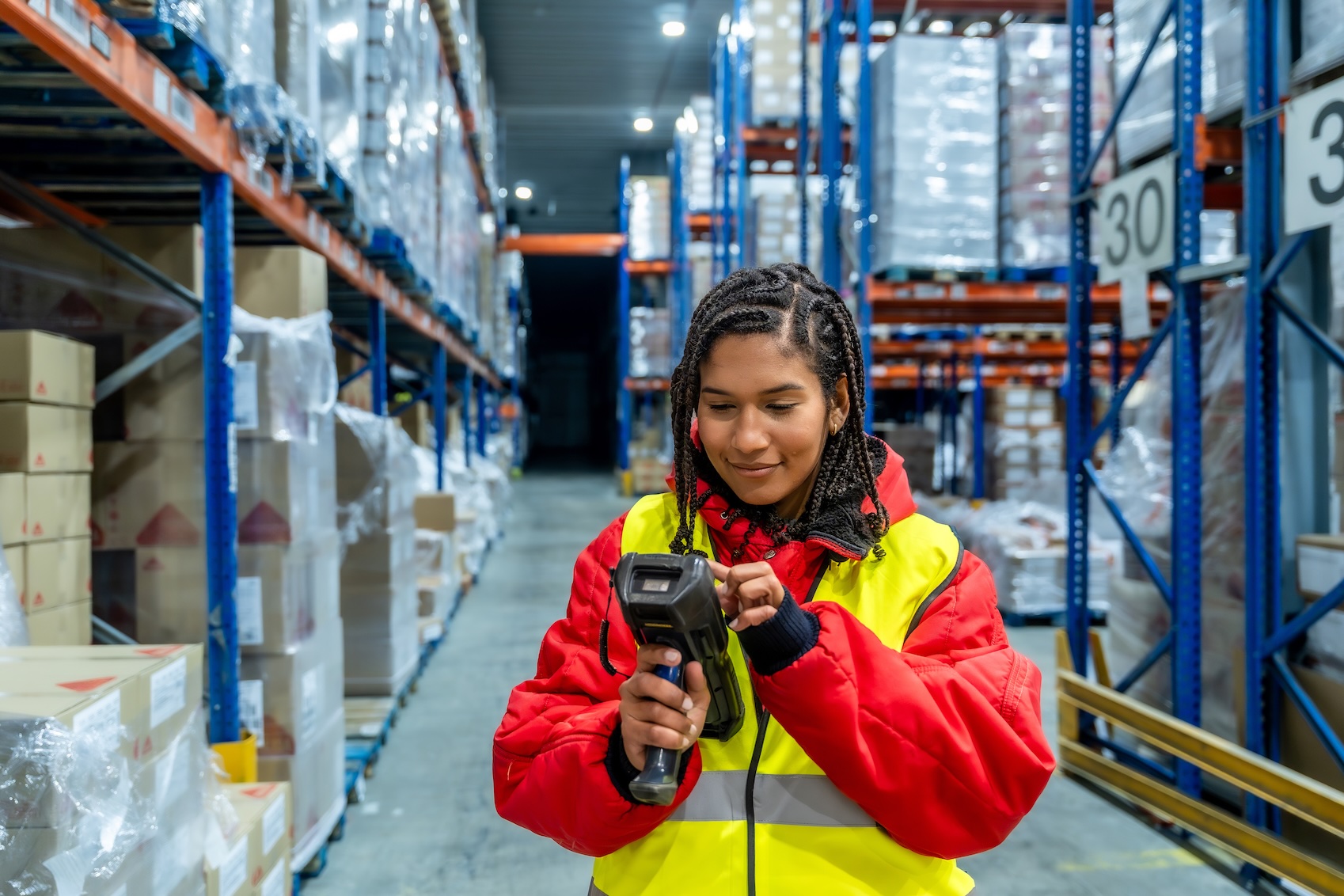
On the supply chain side, large distributors and wholesalers are similarly embracing automation and integration. The industry’s digital overhaul involves upgrading core systems (ERP, inventory, ordering platforms) and then integrating data across suppliers and customers for real-time visibility. Distributors are investing in advanced analytics to manage inventory and supplier relationships more proactively. For example, predictive models can now flag potential stockouts or delivery delays before they happen, so suppliers and buyers can adjust in advance. As one logistics strategist noted, the true opportunity isn’t just digitising for its own sake – it’s connecting the dots up and down the chain. When a restaurant’s point-of-sale data links directly to a distributor’s ordering system, restocking can become almost seamless. Data-driven forecasts help optimise everything from prep schedules in kitchens to truck routing for deliveries. In 2026, we’ll see AI not only predicting demand (e.g. adjusting orders based on weather or local events) but also dynamically managing tasks – automatically scheduling staff shifts or maintenance tasks based on anticipated needs. All this tech transformation isn’t without challenges: companies cite costs and legacy system integration as major hurdles, and employee training is essential to actually realize the benefits. Still, the direction is set – automation, AI, and analytics are becoming ingrained in foodservice operations, promising a future of smarter, leaner, and more responsive businesses.
3. Resilient Supply Chains and Smarter Sourcing
If the past few years taught the industry anything, it’s the importance of supply chain resilience. The turbulence of pandemic disruptions, shipping bottlenecks, and commodity shortages is prompting companies to rethink how they source and distribute food. One clear trend is a push toward diversifying and localising supply chains. Global manufacturers and distributors are increasingly exploring nearshoring – sourcing ingredients and products closer to home – to reduce reliance on volatile international logistics. In the wake of worldwide shipping headaches and port delays, many firms found that nearshoring can sidestep port congestion, high freight costs, tariffs, and geopolitical risks. By working with more domestic and regional suppliers, businesses gain shorter lead times and more control, which translates into a more agile response when surprises occur.
Another strategy is strengthening partnerships and data sharing with suppliers. Rather than purely transactional relationships, suppliers and buyers are collaborating to anticipate problems and jointly find solutions. Risk-sensing AI models are being used to scan for early warning signs of issues – from weather events threatening crops to financial troubles at a supplier – so contingency plans can kick in. Many procurement teams have also moved to multi-sourcing critical ingredients instead of depending on a single vendor. The old mantra “don’t put all your eggs in one basket” rings true in 2026: whether it’s negotiating backup suppliers for key commodities or qualifying alternative ingredients (like switching to a cheaper or more available sweetener when sugar prices spike ), flexibility is key.
Underpinning these efforts is a wave of digital tools for smarter sourcing and logistics. Modern procurement platforms help companies discover new suppliers and automate routine purchasing tasks, replacing clunky spreadsheets and phone calls with streamlined digital workflows. Likewise, distributors are leveraging route optimisation software to maximize delivery efficiency and warehouse automation to speed up fulfillment. The payoff is not just cost savings, but the ability to adapt quickly under pressure – rerouting shipments, reallocating stock, or adjusting orders in hours rather than weeks. As we head into 2026, the food supply chain is becoming a smarter, more flexible network. Companies that invest in these resilient practices are better positioned to handle whatever economic or environmental curveballs come next, ensuring that restaurant kitchens and grocery shelves stay stocked and ready.
4. Sustainability and Transparency as Non-Negotiables
Sustainability has shifted from a “nice-to-have” to a core expectation throughout foodservice and retail. Consumers – especially younger generations – increasingly demand to know where their food comes from and how it was produced. They are vocal about issues like ethical sourcing, carbon footprints, and waste, pushing brands to back up their marketing with meaningful action. In 2026, transparency isn’t just a marketing slogan; it’s being mandated up and down the supply chain. Food manufacturers and distributors report that environmental, social, and governance (ESG) criteria now factor into how they evaluate supplier contracts. They’re seeking suppliers whose values align with their own, favoring partners who can prove ethical labor practices, animal welfare standards, or regenerative agriculture methods. In short, if a vendor can’t provide data on their sustainability efforts, they risk losing business.
Regulators are also raising the bar. In the UK, 2026 brings the full rollout of new Extended Producer Responsibility (EPR) rules on packaging, which make producers (including food & beverage companies) financially responsible for the waste their packaging creates. This is driving a push toward more easily recyclable and compostable packaging to avoid steep fees on hard-to-recycle plastics. Likewise, January 2026 sees the enforcement of long-planned advertising restrictions on unhealthy foods in the UK – including a ban on TV ads for HFSS (high fat, salt, sugar) products before 9pm and new limits on online ads. Restaurants and brands known for indulgent treats will have to get creative in reaching customers under these rules, or better yet, reformulate products to be healthier. Meanwhile, in the U.S., the FDA’s Food Traceability Rule (FSMA 204) takes effect, requiring far better record-keeping to trace certain foods from farm to fork Compliance is a massive effort – one major distributor had to automate data exchange with over 500 suppliers to meet the new traceability standards. The upside is that this investment not only satisfies regulators but also yields operational benefits: companies report improved inventory management and faster recalls when all ingredients are tracked in real time.
For businesses, embracing sustainability and transparency can pay off in trust and efficiency. Restaurants adopting cage-free eggs or sourcing locally can attract ethically-minded diners. Cutting food waste (with smarter inventory management or by donating unsold food) isn’t just good PR – it directly saves money and reduces disposal costs. Many chains are publicizing their sustainability milestones, from carbon footprint reductions to community initiatives, as part of their brand story. The clear trend for 2026 is that those who lag on transparency will be called out, whether by regulators, partners, or consumers. On the flip side, companies that genuinely invest in greener, more responsible operations stand to strengthen their brand loyalty and future-proof their business.
5. Convenience Reimagined: Omnichannel and Foodservice Fusion
In 2026, the lines between restaurants, convenience stores, and even grocery retail are blurring. Convenience stores, in particular, are evolving into hybrid foodservice hubs, increasingly offering freshly prepared food and drinks alongside traditional packaged goods. As one industry observer quipped, “The moment a convenience store sells hot food, it stops being simple retail”. Today you might grab a coffee and hot breakfast at your local petrol station convenience store in the morning, return for a meal-deal lunch, and pick up a ready-to-eat dinner on the way home. These stores have essentially become mini-QSR sites, but with the challenge of tight spaces and limited staff to execute a broad food offering. Customers, however, have zero patience for excuses – they expect the same speed and quality from a convenience store sandwich counter as they would from a dedicated fast-food chain.
This convergence is driving investment in better in-store technology and processes for convenience retailers. Many are adopting QSR-style tools: think made-to-order food kiosks, automated coffee machines, smart ovens, and digital screens for menu boards and ordering. The goal is to maintain speed and consistency even as the service mix grows. Orderly customer traffic patterns in convenience follow day-parts like in restaurants (breakfast, lunch, evening rush), so stores are learning to plan production and staffing around these peaks rather than stocking the same amount all day. It’s a complex juggling act – for instance, preparing enough hot sandwiches for the lunch rush without creating excess waste by 3pm – but data-driven forecasting (and solutions like Orderly’s, which we’ll touch on shortly) are making it manageable.
Meanwhile, “traditional” quick-service restaurants are expanding their omnichannel presence too. Delivery and takeaway, of course, exploded in recent years and are now firmly entrenched. Interestingly, some segments of the industry are reassessing their delivery strategies: in convenience retail, the pandemic-era spike in home delivery has plateaued, with many local shops pulling back due to high costs and instead emphasising click-and-collect models. In 2025, about 65% of the UK convenience market’s delivery offerings stalled as stores found that letting customers order online but pick up in-store can satisfy demand at a lower cost than full delivery. The “ultrafast” 10-minute grocery delivery startups have largely consolidated or shifted focus, as consumers proved willing to trade a bit of speed for more sustainable pricing. For QSRs, third-party delivery remains important, but chains are working to improve profitability by negotiating better platform fees, streamlining menus for delivery, and encouraging customers to use their own order-ahead apps for pickup (which avoids hefty commissions).
Loyalty programs and digital engagement are the other linchpins of omnichannel strategy. Restaurants and retailers are leveraging apps not just for transactions but for personalized marketing. The integration of data is enabling perks like hyper-personalised offers – for example, a convenience chain’s app might ping a customer with a discount on their favorite snack in the afternoon, or a coffee shop app might offer a tailored breakfast combo based on past orders. Notably, one UK convenience chain, One Stop, linked its loyalty app with a local on-demand delivery service (Snappy Shopper) to create a seamless online-to-offline experience. This kind of cross-platform innovation is about meeting customers wherever they are. Tesco, similarly, turned its venerable Clubcard loyalty scheme digital, using app-driven personalised pricing and even experimental pop-up experiences to keep shoppers engaged. The message for 2026: customer convenience isn’t just about location anymore, it’s about integration. Winners will be those who make it ultra-easy for people to discover, order, and receive their products - whether that means voice-ordering via a smart car, using an app to skip the queue, or getting that late-night snack delivered to the doorstep.
6. Focusing on People: Workforce, Skills, and Culture
Amid all the shiny tech and strategic pivots, the human element remains a pivotal trend. Labor challenges persist across the hospitality and food retail sectors. Unemployment may be low, but so is applicant flow for tough restaurant and warehouse jobs. High staff turnover rates in restaurants (a long-standing issue) mean operators are constantly hiring and training new employees. In 2026, companies are finding that investing in their workforce – through better training, career development, and workplace technology – is not optional but necessary both to retain talent and to execute all the trends discussed above. For instance, implementing an AI-driven inventory system in a restaurant kitchen only yields benefits if the staff are trained to use it and trust its recommendations. Notably, in one survey about digital transformation, 31% of food industry respondents cited employee reskilling as a significant barrier to adopting new tech. Forward-thinking employers are addressing this by making training continuous (often via mobile apps or micro-learning modules) and by involving crew in pilot programs for new tools so they feel ownership.
We also see a cultural shift toward making foodservice and retail jobs more sustainable as careers. Higher wages – often spurred by legislation or competition – are part of the equation, but employee experience matters too. Companies are therefore focusing on scheduling flexibility, better communication, and tools that reduce frustration (like automating tedious manual tasks). The idea is to improve day-to-day work so that employees can focus on higher-value aspects like customer service or culinary creativity. Some QSRs are trying out four-day workweeks or more predictable scheduling to improve work-life balance in an industry notorious for long, odd hours. Others are creating new training programs to turn entry-level jobs into stepping stones for advancement (like management training or culinary certifications).
Finally, it’s worth noting that staff excellence is itself a competitive differentiator. All the tech in the world can’t replace the goodwill generated by a warm, efficient hospitality experience. Brands like Chipotle have highlighted that staff development and operational execution are core to their strategy – investing in employees yields better customer experiences and, ultimately, better financial performance. In an era where consumers have many options, a knowledgeable store associate or a friendly server who goes the extra mile can be the reason a customer stays loyal. So, in 2026, the companies that thrive will not only be those who automate and optimise, but those who successfully blend technology with a human touch. Empowering front-line teams with good tools, good training, and a sense of purpose will translate into the kind of service that wins repeat business in a very competitive market.
7. Orderly’s Take: Turning Trends into Action
Navigating these 2026 trends can seem daunting – but this is exactly where Orderly comes in. As a provider of integrated task management and predictive forecasting software for the food and beverage industry, Orderly is helping restaurants, retailers, and distributors tackle the New Year head-on. Our philosophy is that technology should simplify operations, not complicate them. For instance, to address the demand for efficiency and accuracy, Orderly’s platform replaces guesswork with data-driven guidance. We forecast store-level demand in real time (using everything from historical sales to weather), then turn those forecasts directly into action plans for teams. That means automatic suggested orders for the right products, scheduled tasks for prep or checks at just the right times, and alerts for managers when something needs attention. As Orderly likes to say, we forecast demand, order what’s needed, and guide store teams through every task – all in one place.
How does this help with 2026’s big challenges? Take the convenience store that’s become a mini foodservice outlet – Orderly can create a day-part based production plan (for coffee, breakfast items, etc.), generate a short list of critical daily tasks (from food safety checks to restocking the hot display), and adjust on the fly when, say, an unexpected mid-morning rush hits. The result is less waste (no more overproducing muffins in the afternoon) and better availability when customers want it. For a QSR chain facing labor shortages, Orderly’s Digital Assistant ensures that even a lean crew knows exactly what to do and when – it’s like giving each employee a smart checklist that adapts to real-time conditions. This reduces training time and errors, which is crucial when staff turnover is high. And for a distributor or wholesaler, our tools provide visibility across the supply chain, flagging anomalies (like a missed delivery or a spike in demand at certain stores) early so you can respond proactively. We handle the compliance tasks too – whether it’s managing digital records for traceability requirements or prompting the team to collect a vendor certification, Orderly keeps those workflows organised and auditable.
In short, Orderly’s role is to help our customers operationalise the trends. We weave together forecasting, inventory management, task execution and compliance tracking into one cohesive platform. That means a retailer can confidently expand into new foodservice offerings, or a restaurant chain can tighten up its supply ordering and staff routines, without getting bogged down in complexity. As 2026 unfolds, agility and insight will separate the leaders from the laggards. Orderly is proud to be partnering with forward-thinking businesses to ensure that, no matter what trends or disruptions come their way, they have the tools and foresight to thrive in this dynamic food and beverage landscape.


.svg)




.svg)

.svg)
.svg)